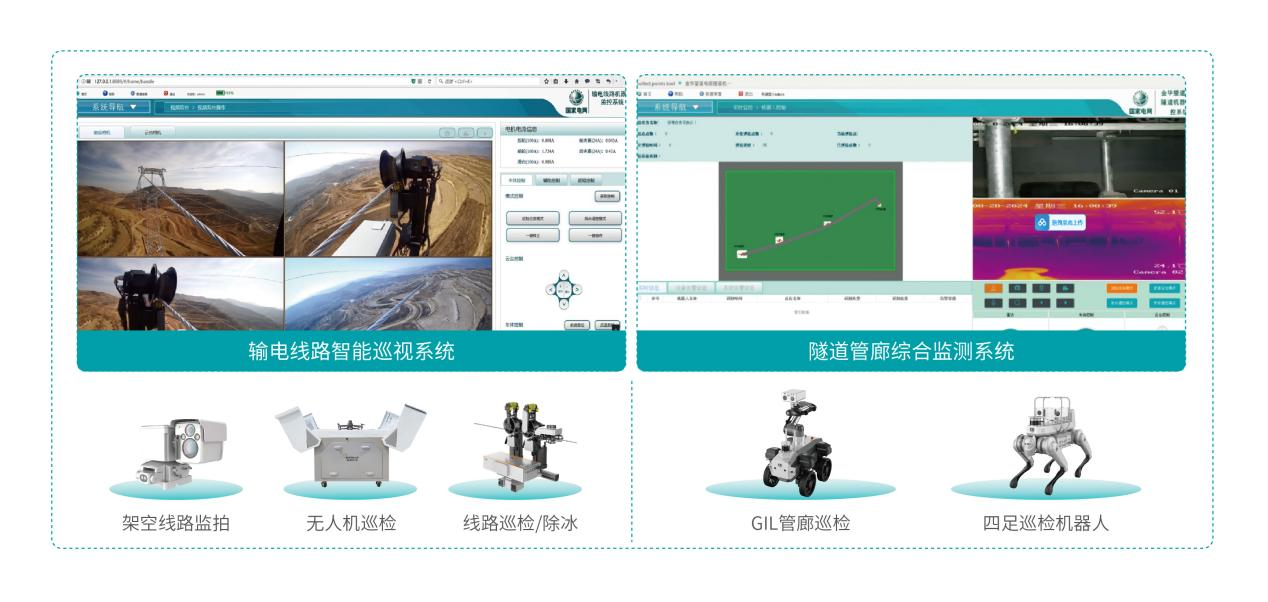
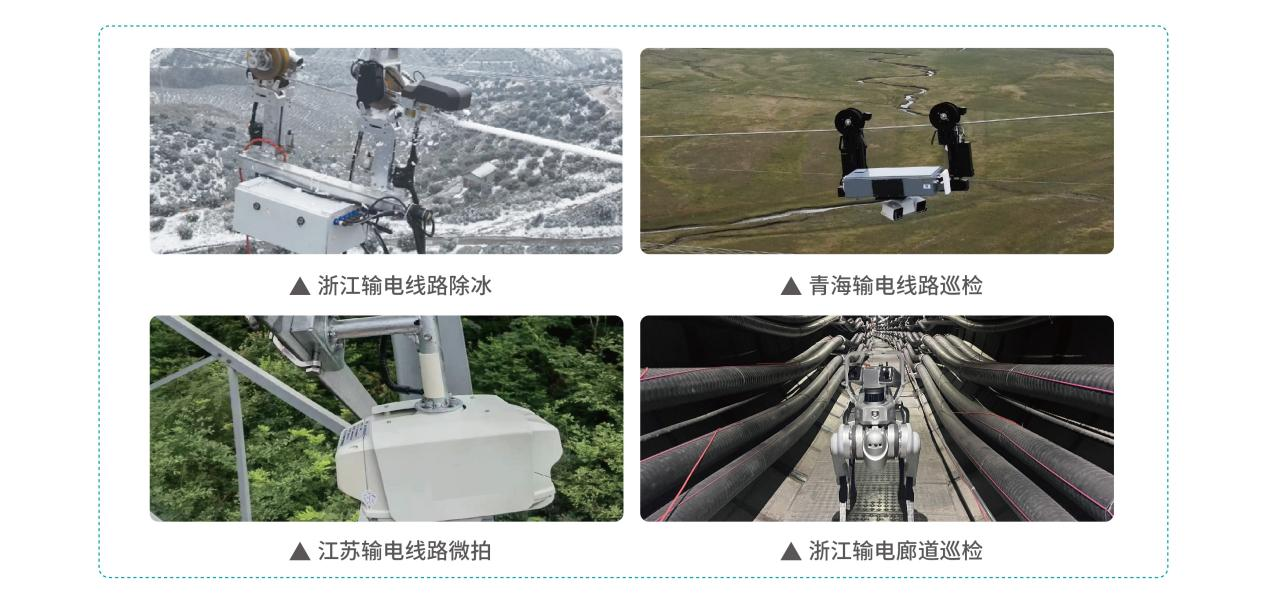
High risk and complex sceneOverhead power lines are exposed to the wild for a long time, facing risks such as wildfires, icing, external damage, and conductor dancing; The underground pipe gallery is enclosed and narrow, with many steps and gullies, making manual inspection difficult and posing high safety risks.

Insufficient coverage and efficiencyTransmission lines have a wide span, scattered stations, long manual inspection cycles, low frequency, and complex terrain that can easily form monitoring blind spots, resulting in high rates of missed and false detections.

Passive emergency responseHidden dangers such as icing, wildfires, and line defects are difficult to detect in a timely manner, and there is a lack of all-weather, automated inspection and rapid disposal methods.

Data silos are prominentThe monitoring, inspection, and management systems are disconnected, and data is scattered and unable to be analyzed centrally, making it difficult to achieve intelligent warning and global control.

High operation and maintenance costsThe labor input is high, the labor intensity is high, and the transportation and emergency repair costs remain high, making it difficult to adapt to the unmanned transformation.